How you play
Your build decides who you are
Select a target, press a key, watch the cast bar fill. What fires is decided by the gems you have socketed, the items you have rolled and crafted, and the path you take.
No classes
In developmentTank, heal or deal damage: the build decides
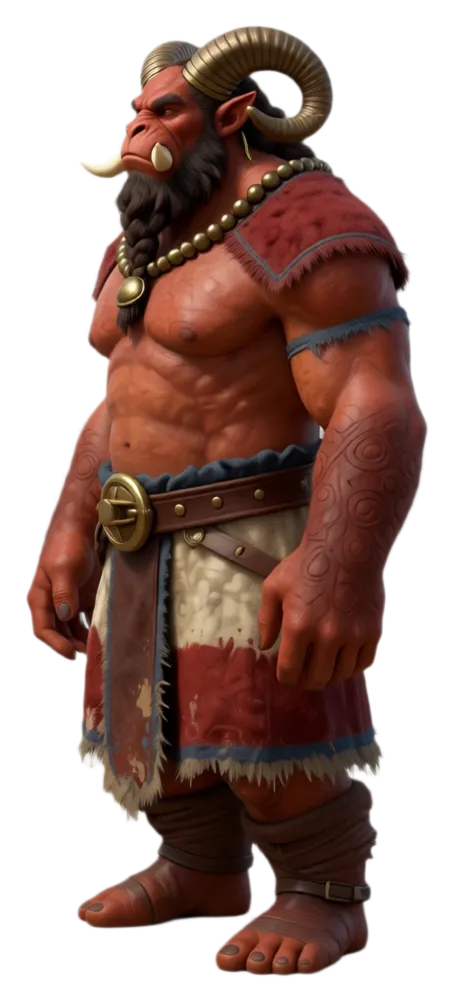
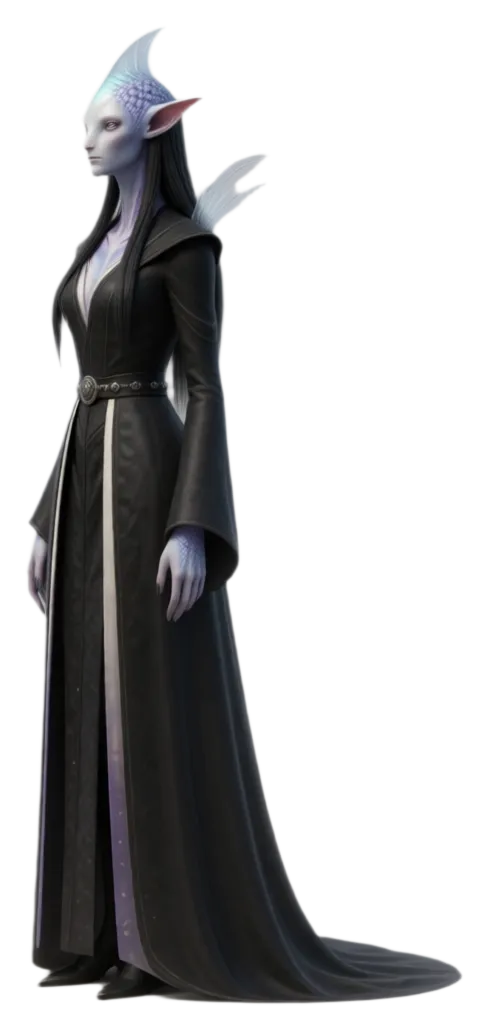
There are no classes. Any character can take any role, and your gems, your gear and the passive tree decide which.
Read more
No class to pick In the game now
Nothing locks you into a role. What you socket and what you wear is what you are.
Starting kits In development
A starting kit gives you a look, a first skill and a weapon. It only sets where you begin.
One passive tree for everyone Planned
Every character walks the same large passive tree, from wherever their kit starts them.
Build paths and respecs Planned
New players can follow ready-made build paths, mix them or ignore them. Changing your mind is cheap at low levels and costs more later.
Skill gems
In the game nowSelect a target, press a key, cast
Your skills sit on a keybound action bar. Pick a target with Tab, a click or the nearest enemy, press the key, and the spell flies when the cast bar fills. There is no clicking the ground to aim.
Read more
Skills come from skill gems, and support gems change how they behave. A support changes only the skill it is linked to, so how you link your gems is the build.
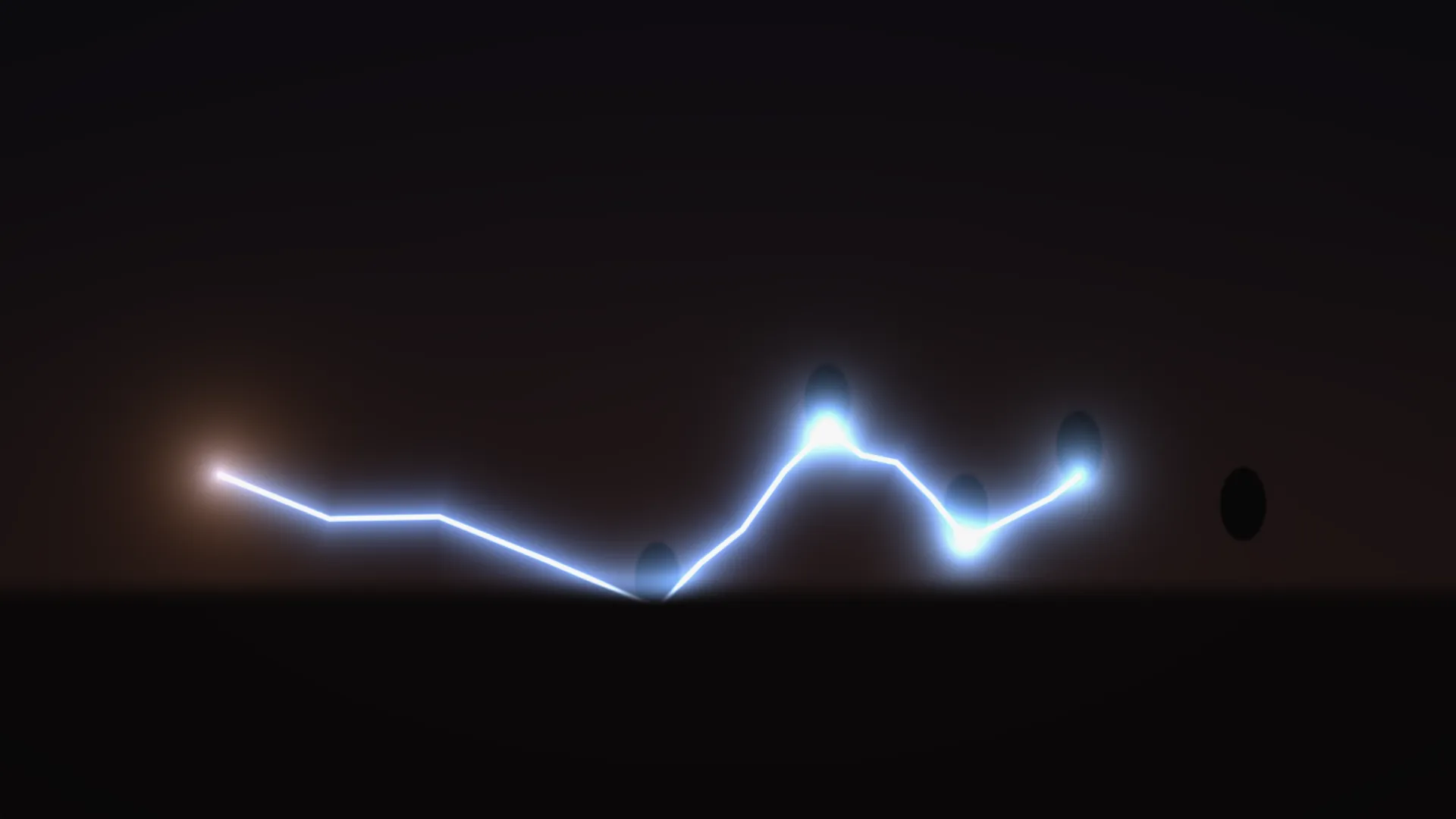
The first skill is Arc, a bolt of lightning that strikes your target and chains to the enemies near it. Each of its first supports changes it in one plain way. Every skill and support gem levels from the kills it makes.
Added Lightning Damage In the game now
More lightning in every hit.
Support gem
Faster Casting In the game now
A shorter cast bar.
Support gem
Spell Echo In the game now
Each cast repeats itself.
Support gem
Chain In the game now
Arc leaps on to more enemies.
Support gem
Controlled Destruction In the game now
More spell damage, fewer critical strikes.
Support gem
Lightning Penetration In the game now
Lightning cuts through an enemy's resistance to it.
Support gem
Gem memory and evolution Planned
A gem remembers how you use it. At set levels it offers evolutions shaped by that memory, and the choice is permanent; evolutions are earned, never sold.
Every gem
Fight with an army at your side In development
Summoning is a build path open to every character: raise the dead and send them in ahead of you.
The first summon raises zombies: the risen dead of the valley, armed and fighting at close quarters. They start as melee fighters, always.
Turning them into something that fights from range is not given to you. You find it: a rare roll or a socketed piece on your living gem that changes what your minions become.
A pet bar gives the orders: attack my target, follow, stay. Your minions fight close to you and never chase far, so they cannot drag half a valley onto other players.
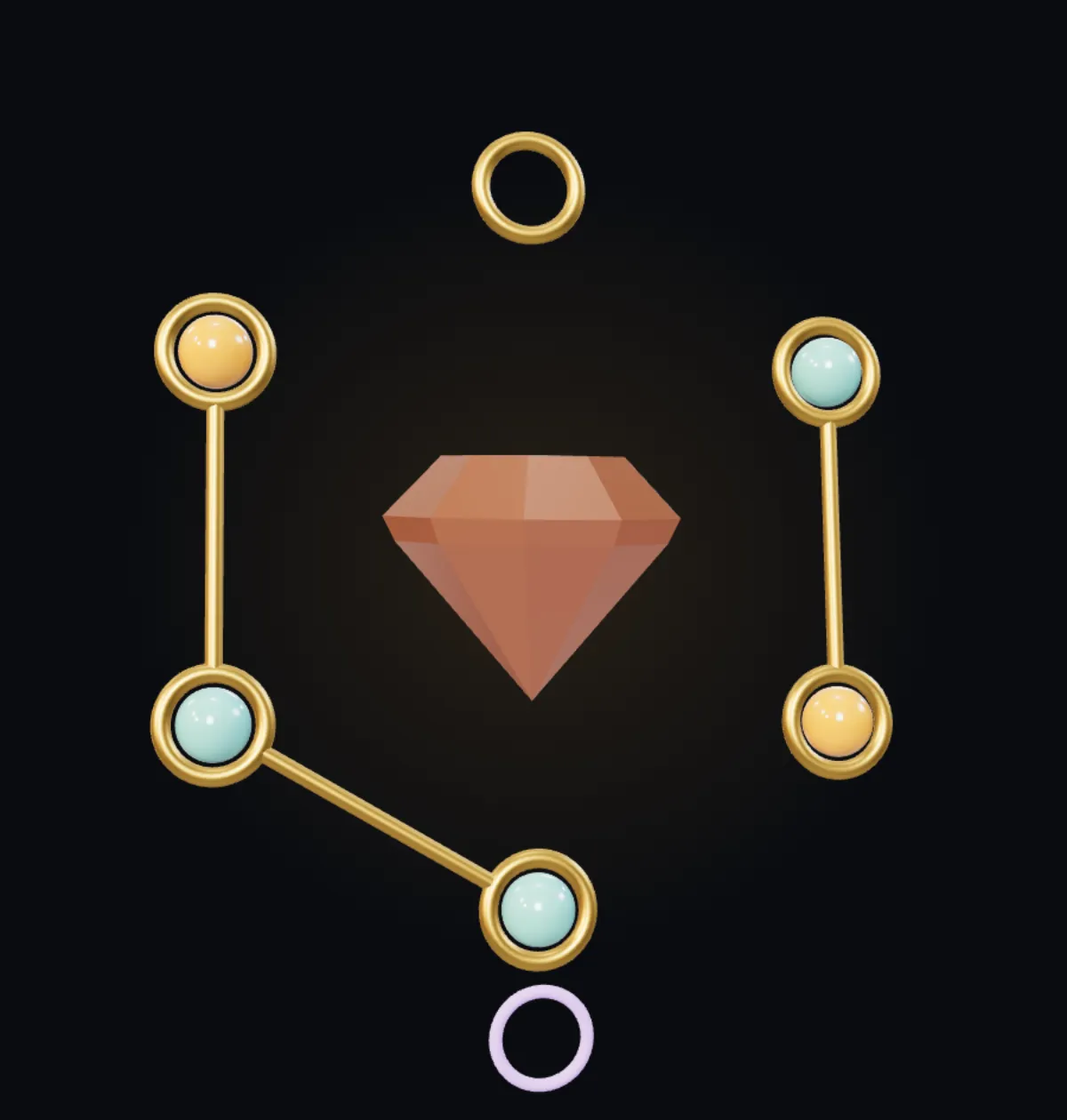
Skill gemSupport gemLinkSeventh socket: only by corruption
The living gem
In the game nowOne gem, six facets, every skill you have
Each character carries one living gem, and it is your skill tree. Gear never holds gems: instead, each of the gem's six facets stands for a piece of gear, and holds one skill with the supports linked to it.
Read more
A facet takes its skill gem at its head and support gems in the sockets linked to it; a support reaches only the skill on its own facet. Every new character starts with a living gem that holds their first skill. The facet names are working names.
Picked up, dropped in In the game now
Drag a gem from your bag onto a socket that glows to take it; drop it on a full socket to swap the two; right-click to send it back to the bag.
It never levels In the game now
The living gem is an item, not a character: it never gains a level. Your skill and support gems do.
Rolled where it drops Planned
Living gems will drop anywhere in the world, each with its facets' sockets and links rolled at random. Sockets and links are its only random properties.
Crafted socket by socket Planned
Crafting materials will add sockets to a facet, up to its limit, and link them together. The gem board itself has no crafting buttons.
One corruption Planned
Once, you can corrupt your living gem: a seventh linked socket on the Core, a socket lost, or nothing at all.
- Core (body)
- Up to 6 sockets; a 7th only by corruption
- Crown (helmet)
- Up to 4 sockets
- Hands (gloves)
- Up to 4 sockets
- Stride (boots)
- Up to 4 sockets
- Grip (weapon)
- Up to 3 sockets
- Ward (off-hand)
- Up to 3 sockets
Items and loot
In the game nowEvery item is rolled, and two are rarely the same
Weapons, armour and jewellery drop in four rarities, and every property rolls within a range.
Read more
Normal In the game now
Plain: a base to craft on.
Magic In the game now
One or two random properties.
Rare In the game now
Up to six random properties: the backbone of every build.
Unique In the game now
Fixed effects that change how a build works. They cannot be crafted, only corrupted.
Currency on the ground In the game now
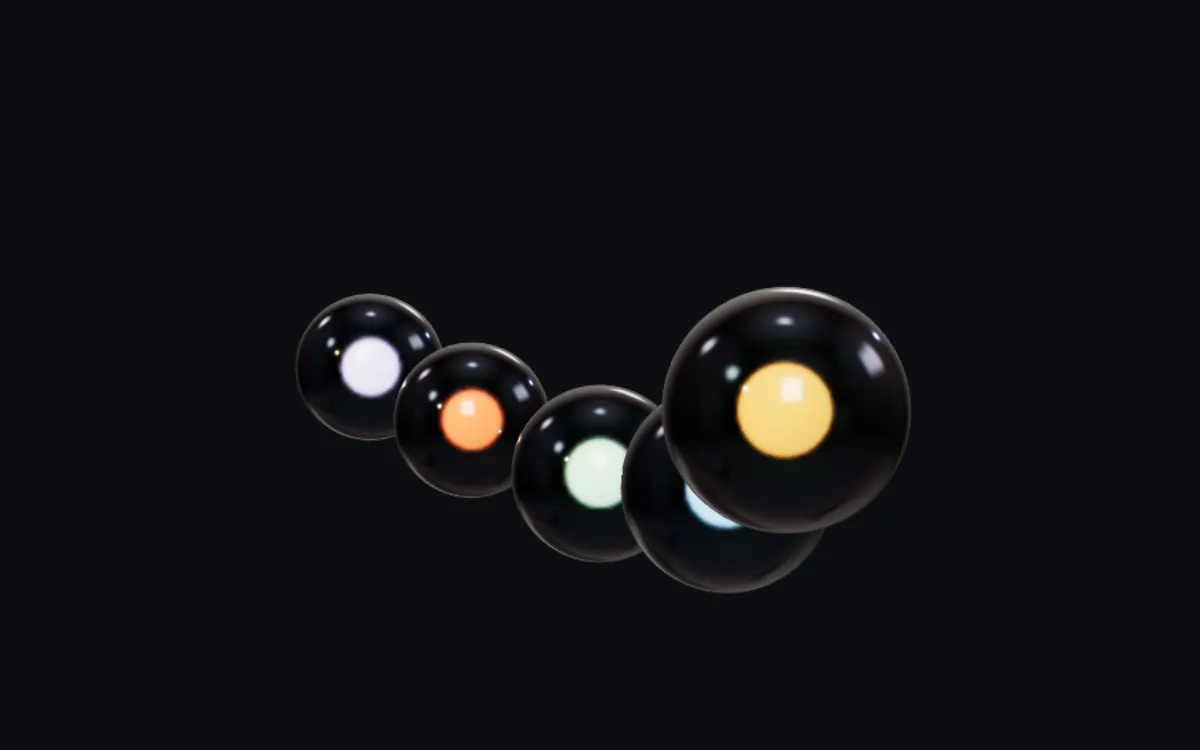
Crafting materials drop as small glowing orbs, one stack per kill with a count, labelled in bronze-gold so they read apart from gear.
Personal loot In development
Everyone who helps in a fight gets full credit and drops of their own, so nobody steals a kill.
Your own loot filter Planned
Set what shows on the ground and how, inside the game: show or hide, label colour, size, a sound, a beam, a map icon, by item, rarity and tier. Nothing is imported.
- Glimmerdust
- Amberdrop
- Quicksilver
- Chalkwash
- Goldleaf
- Crownwax
- Stormglass
- Blackthorn
- Starheart
- Moonsilver
- Nightpitch
Crafting materials
In the game nowCraft with what drops, and trade with it too
Crafting materials work on an item's properties, and the same materials are the money players trade with. Each has a name of its own; here they are from the cheapest to the dearest.
The endgame
PlannedClimb the Rift ladder
Rifts are the endgame and the main source of loot. At the top of the game they become a ladder you climb.
Read more
Riftstones Planned
Riftstones open harder Rifts.
A Rift of your own Planned
In your own hideout, a Riftstone opens a private Rift for you alone, beside the public Rifts of the open world.
Tiers Planned
How Rifts climb in tiers comes in a later slice, once the base loop is in your hands.
The open world
In developmentOne world, with no loading screens between zones
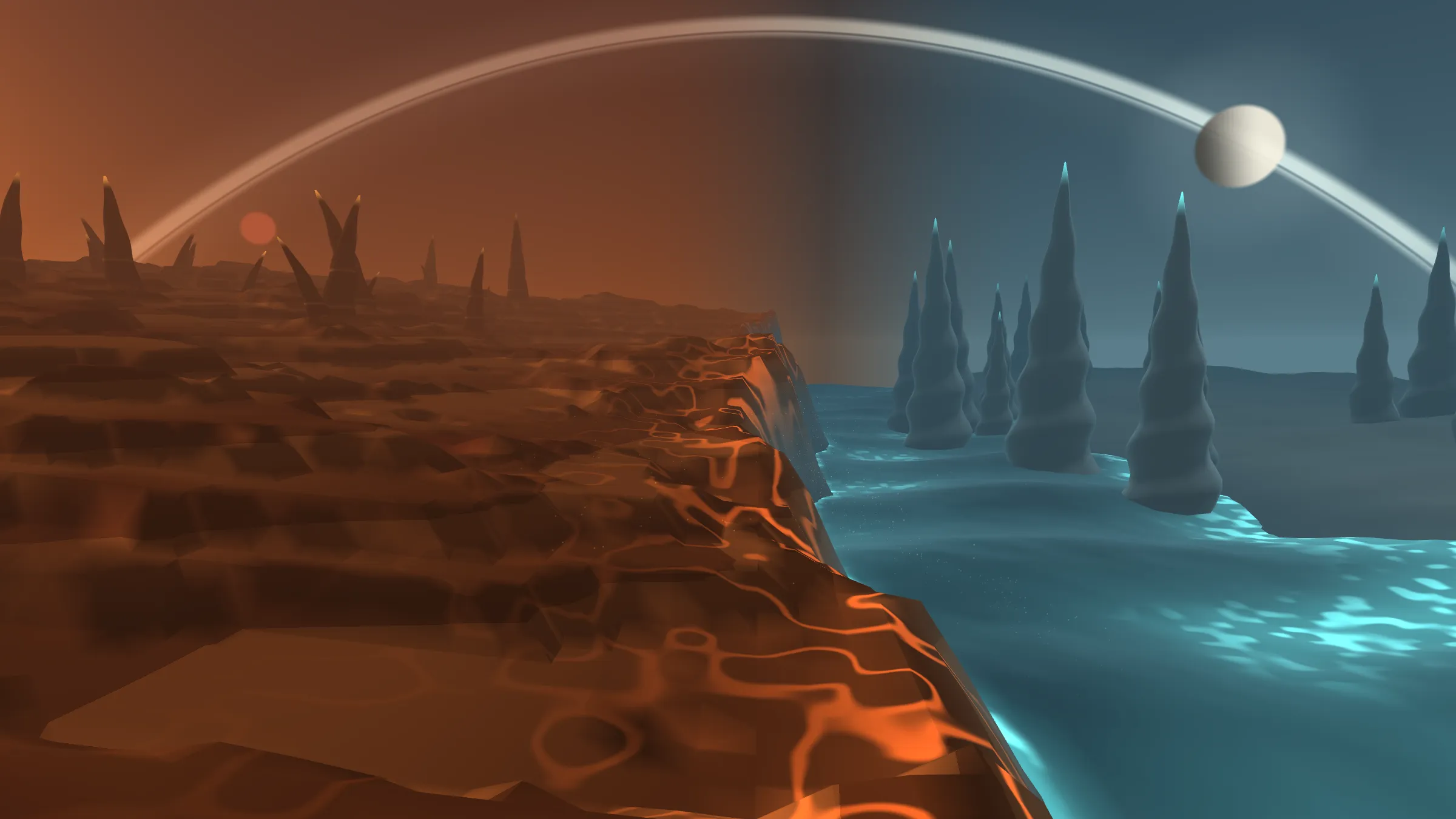
Walk from one zone into the next without a loading screen, from town to wilds to Rift and back.
Read more
A new interface In development
The whole interface is being redrawn for World Beyond Gods. What stays: the keybound bar, Tab or a click to pick a target, the cast bar, and no aiming at the ground.
A camera behind your shoulder In the game now
The camera orbits behind you: steer with the mouse, zoom with the wheel, move with W, A, S and D. It never looks straight down.
Quest chains In the game now
Each starting valley has its own chain of eight quests, from the first fight at the town's gate to closing its Rift.
Towns and quest hubs In development
Every zone has a town in its safest part, camps, Rift areas, a dungeon door and high places to stop and look.
Jumping In the game now
Space jumps about a metre and a half, from standing, walking or running. Low walls and fences can be cleared, and instant spells work in the air.
Steel on your back In the game now
Your weapon rides on your back and comes to your hand when a fight begins.
Packs built for area spells In development
Away from the roads, swarms of small creatures come with a few heavy ones among them, so area spells have plenty to hit. Roads and towns stay clear.
Flight between perches In development
Flight masters send you along fixed routes between the flight points you have found: on great ashwings in the highlands, on drift-rays over the coast. There is no free flight.
Mounts on the ground Planned
On the ground you ride a mount of your own, freely, across the open world.
Dungeons and raids Planned
Dungeons for five players and raids for ten to twenty, entered through doors in the world. In Emberfold the door is a jaw of bone teeth in the north rim.
Arenas and duels Planned
The game is made first for fighting the world together. Arenas come later, and duels in the open world only between players who have switched them on.